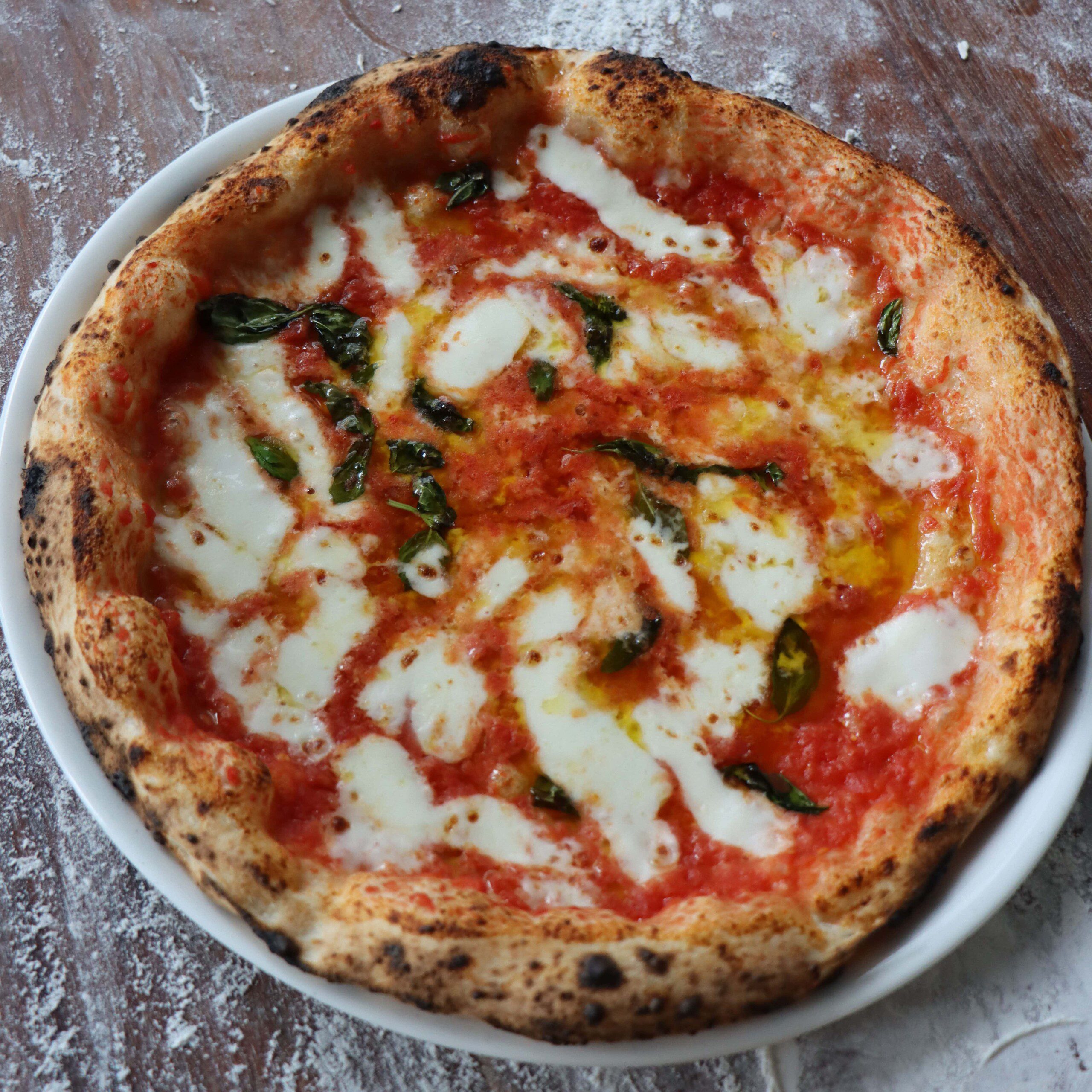
The Quest for the Perfect Homemade Margherita Pizza
The allure of an authentic Italian Margherita pizza is undeniable: a symphony of simple, high-quality ingredients culminating in a masterpiece of flavor and texture. For many home cooks, the dream of replicating that experience – the bubbly, creamy mozzarella, the vibrant San Marzano tomato sauce, the fresh basil, and especially, the perfectly crispy yet tender crust – seems like a culinary Everest. Yet, we believe the summit is within reach. This comprehensive guide will equip you with the knowledge, techniques, and insights to master an exceptional homemade Margherita pizza right in your own kitchen, using a standard oven and everyday ingredients.
Our journey to perfecting the homemade Margherita pizza is inspired by the legendary pizzerias of Naples, Italy, where this iconic dish originated. While a wood-fired oven reaching scorching temperatures of 800-900°F (425-480°C) is key to the true Neapolitan experience, we’ve distilled the essence of that magic into a method that delivers incredible results at home. Prepare to transform your kitchen into a little slice of Italy, creating a pizza that will have you saying, "This is the best homemade Margherita pizza I've ever made!"
From Naples to Your Kitchen: The Authentic Margherita Inspiration
Imagine standing on a historic cobblestone street in Naples, the birthplace of pizza. The aroma of baking dough and bubbling cheese fills the air. You join a line of locals, a testament to the quality within, and snag a table at a renowned pizzeria. The pizzas arrive, enormous and gloriously imperfect, with a tender, slightly charred crust that practically spills off the plate. This isn't just a meal; it's an experience – a simple, honest, and utterly delicious testament to culinary tradition. This transformative encounter with true Neapolitan pizza is what drives our quest to create the best possible homemade Margherita pizza.
What makes those Neapolitan pizzas so unforgettable? It's not just the oven, though that plays a huge role. It's the meticulous balance of minimal, pristine ingredients: incredibly fresh mozzarella, vibrant crushed San Marzano tomatoes, fragrant basil leaves, a drizzle of extra virgin olive oil, and the perfectly fermented, hand-stretched dough. Each component is allowed to shine, contributing to a harmonious whole. While we can't fully replicate the intense char of a 90-second bake in a wood-fired oven, we can embrace the philosophy of simplicity and quality, applying it to our homemade Margherita pizza to achieve truly authentic flavor and a wonderfully crispy crust.
Essential Equipment for Your Homemade Margherita Pizza Success
To bridge the gap between a standard home oven and a traditional brick oven, a few key pieces of equipment are indispensable. These tools are the secret weapon for achieving that coveted crispy crust and perfectly cooked toppings for your homemade Margherita pizza.
- Baking Steel or Stone: This is arguably the most crucial investment for any serious home pizza maker. A baking steel (or stone, though steel is often preferred for its superior heat conductivity and durability) acts as a thermal mass, absorbing and retaining the intense heat of your oven. When your pizza hits the scorching surface, it mimics the direct heat transfer of a brick oven floor, shocking the dough and pulling moisture from it. This rapid heat transfer is essential for a truly crispy crust and a quicker bake time. While baking steels can be an investment, their ability to transform your homemade Margherita pizza makes them 100% worth it. For more in-depth guidance on setting up your home kitchen for success, check out The Best Homemade Margherita Pizza for Your Standard Oven.
- Pizza Peel: Essential for smoothly transferring your assembled pizza onto the hot baking steel/stone and retrieving it once baked. A wooden peel is often easiest for launching, while a metal peel is great for retrieval. Dust it generously with semolina flour or regular flour to prevent sticking.
- Digital Kitchen Scale: For consistent and accurate dough making, a digital scale is invaluable. Measuring ingredients by weight, especially flour and water, ensures the perfect dough hydration every time, which is critical for a great crust.
Preheating your baking steel or stone is paramount. Place it on the top rack of your oven (or the second highest, depending on your oven's hot spots) and preheat your oven to its highest possible temperature, typically 500-550°F (260-290°C), for at least an hour. This extended preheat ensures the steel is radiating maximum heat, creating the ideal environment for your homemade Margherita pizza.
Unlocking Authentic Flavor: Key Ingredients & Dough Techniques
The beauty of Margherita pizza lies in its simplicity, making the quality of each ingredient paramount. For an authentic homemade Margherita pizza experience, eschew shortcuts and embrace freshness.
The Ingredients
- San Marzano Tomatoes: These plum tomatoes, grown in the volcanic soil near Mount Vesuvius, are considered the gold standard for pizza sauce. They are naturally sweet, less acidic, and have fewer seeds. Look for certified D.O.P. (Denominazione d'Origine Protetta) San Marzano tomatoes, often available whole peeled in cans. Lightly crush them by hand or with a fork for a rustic texture; no elaborate cooking required. A touch of salt is all you need.
- Fresh Mozzarella: This is non-negotiable for a truly creamy and authentic homemade Margherita pizza. Avoid the low-moisture, pre-shredded varieties, which contain anti-caking agents and melt differently. Opt for fresh mozzarella, either buffalo mozzarella (for a richer flavor) or fior di latte (cow's milk mozzarella), packed in water. Blot it dry or let it drain slightly before tearing into pieces to prevent a soggy pizza.
- Fresh Basil: Vibrant green basil leaves are an aromatic counterpoint to the rich cheese and tomato. Add them *after* baking for the best flavor and to prevent them from burning or turning black.
- Extra Virgin Olive Oil: A high-quality drizzle before and/or after baking adds a beautiful aroma and enhances the overall flavor.
- Salt: Essential for seasoning the dough, sauce, and finishing the pizza.
Mastering the Dough
The crust is the heart of your homemade Margherita pizza. Many assume that a truly great crust requires professional equipment or days of fermentation. While extended fermentation can develop complex flavors, it's not essential for an amazing homemade Margherita pizza in a standard oven. Our approach focuses on accessible techniques that yield a wonderfully crisp, chewy, and flavorful crust.
- Flour Choice: You don't need expensive "00" flour, which is designed for extremely high-temperature ovens. A good quality all-purpose flour or bread flour works beautifully in a standard home oven, providing the necessary gluten structure for a delightful chew and crispness.
- Hydration: The ratio of water to flour is key. A dough with good hydration (around 60-70% water to flour by weight) will be pliable, easy to work with, and yield a light, airy crumb with a crispy exterior.
- Kneading and Resting: Proper kneading develops the gluten, giving the dough elasticity. After kneading, allowing the dough to rest for a few hours (or even overnight in the fridge for slightly more flavor development) is crucial. This relaxes the gluten, making the dough easier to stretch and creating those desirable air pockets. This recipe doesn't require days of advance preparation, making it perfect for a weeknight culinary adventure. To delve deeper into the art of creating the perfect Neapolitan-style crust at home, explore our Recreate Naples' Best Pizza: Ultimate Homemade Margherita Guide.
Assembling and Baking Your Homemade Margherita Pizza
With your ingredients prepped and your oven scorching hot, it's time for the final, exciting steps.
- Stretch the Dough: On a lightly floured surface (semolina works well here), gently stretch your dough ball from the center outwards, preserving the slightly thicker rim (the cornicione). Avoid using a rolling pin, as it pushes out air and prevents a good rise. Aim for an even thickness, about 10-12 inches in diameter.
- Top Sparingly: Transfer your stretched dough onto your semolina-dusted pizza peel. Ladle a few spoons of crushed San Marzano tomatoes onto the dough, spreading lightly. Remember the Neapolitan philosophy: less is more. Scatter torn pieces of fresh mozzarella over the sauce. A light drizzle of olive oil can be added now or after baking.
- Launch and Bake: With confidence, quickly slide your pizza from the peel onto the preheated baking steel/stone in your oven. Close the oven door immediately to retain heat. Bake for 5-8 minutes, or until the crust is golden brown and slightly charred in spots, the cheese is bubbly, and the sauce is caramelized. Keep a close eye on it, as home ovens vary!
- Finish and Serve: Once baked, use your peel to carefully remove the pizza. Immediately scatter fresh basil leaves over the top and, if desired, a final drizzle of extra virgin olive oil and a sprinkle of sea salt. Slice and serve your magnificent homemade Margherita pizza without delay. The moment it comes out of the oven is when it's at its absolute best!
Conclusion
Making an authentic homemade Margherita pizza in your standard oven might seem daunting, but with the right approach, equipment, and quality ingredients, it's a deeply rewarding culinary experience. While it may not be an exact replica of a pizza from a Neapolitan wood-fired oven, the techniques outlined here allow you to achieve a remarkably crispy crust, rich Italian flavors, and that incredible satisfaction that comes from creating something truly delicious from scratch. Embrace the journey, savor the process, and enjoy the unparalleled taste of your own masterfully crafted homemade Margherita pizza. Buon appetito!
