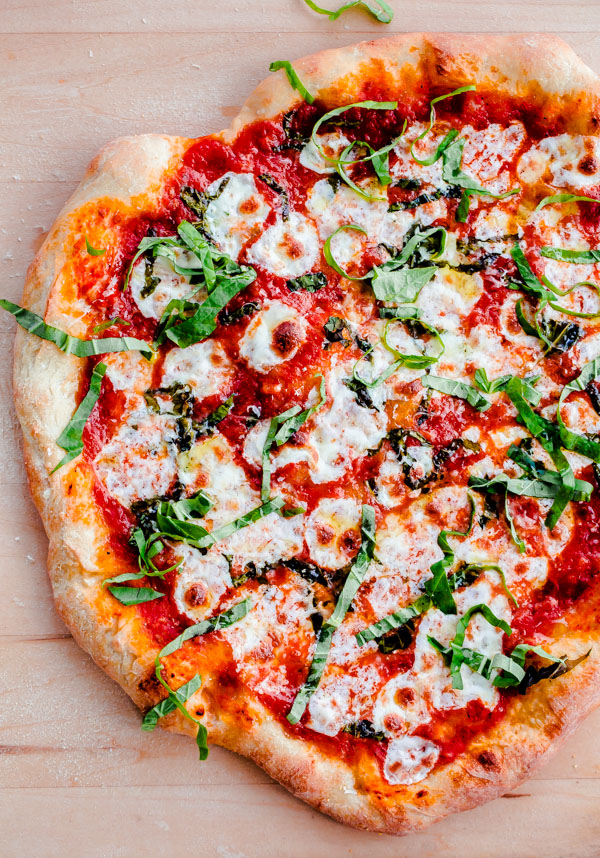
The Quest for the Best Homemade Margherita Pizza in Your Standard Oven
For many, the dream of a truly exceptional pizza often involves visions of roaring wood-fired ovens in sun-drenched Italian piazzas. Yet, the longing for that perfectly charred, bubbly crust and molten fresh mozzarella doesn't have to remain a distant fantasy. What if we told you that the search for the best homemade Margherita pizza, achievable right in your standard kitchen oven, is finally over?
We understand the skepticism. Bold claims about recipes being "the best" can make anyone wary. After all, pizza aficionados worldwide have very high standards. We're not promising that your kitchen will magically transform into a Neapolitan pizzeria, nor that this recipe will precisely replicate the ethereal experience of a pizza fresh from an 800-degree brick oven. What we are confident in is this: with the right approach, a few key pieces of equipment, and a commitment to quality ingredients, you can consistently produce a homemade Margherita pizza that is utterly delicious, satisfying, and a true contender for the best you'll ever make at home.
This journey isn't just about throwing ingredients together; it's about understanding the nuances that elevate a simple dish to something extraordinary. From the authentic inspiration of Naples to the crucial role of your oven, we've distilled years of pizza-making trials and triumphs into a guide that will empower you to create a culinary masterpiece, all within the confines of your everyday kitchen.
The Neapolitan Heartbeat: Understanding Authentic Margherita Pizza
To truly appreciate and create a fantastic homemade Margherita, one must first pay homage to its birthplace: Naples, Italy. Our most profound pizza revelations often stem from memories of standing in line on a bustling cobblestone street, just off Via Tribunali, for a pie that costs mere euros but delivers infinite joy. Imagine a pizza so generously sized, it barely fits the plate, arriving gloriously floppy yet perfectly cooked, consumed amidst the vibrant chatter of locals. This experience—simple, authentic, and utterly unforgettable—is the gold standard that inspires our quest for the best homemade Margherita pizza.
What defines that quintessential Neapolitan Margherita? It's a symphony of simplicity and quality:
- The Crust: Light, airy, chewy interior with a tender, slightly blistered, and sometimes charred exterior (the cornicione). It's never cracker-crisp but has a beautiful chew and structure.
- The Sauce: Pure, uncooked crushed San Marzano tomatoes, perhaps seasoned with just a touch of salt. Its freshness brightens every bite.
- The Cheese: Fresh mozzarella (fior di latte or buffalo mozzarella), melting into creamy pools, never rubbery or overly browned.
- The Basil: Fresh leaves, typically added after baking or during the last minute, releasing their aromatic perfume.
- The Olive Oil: A drizzle of high-quality extra virgin olive oil to finish.
The magic isn't solely in the ingredients, but in their harmony and the incredibly high temperatures of a wood-fired oven that cook the pizza in mere minutes. While we can't fully replicate those extreme temperatures in a standard home oven, we can employ clever techniques and equipment to get remarkably close to that authentic flavor profile and texture. We aim to capture that Neapolitan spirit – delicious, approachable, and utterly satisfying – for your very own Master Authentic Margherita Pizza: Crispy Crust, Italian Flavor.
Transforming Your Oven: Equipment and Techniques for Home Pizza Success
Your standard home oven might not reach 800°F, but it possesses latent power waiting to be unleashed. The secret to achieving an incredibly crispy, chewy crust for your homemade Margherita pizza lies in maximizing your oven's heat and harnessing thermal mass. Forget thin, floppy crusts or dense, undercooked dough – a few key investments and techniques will revolutionize your home pizza game.
Essential Equipment for Superior Crusts
- Baking Steel or Pizza Stone: The Non-Negotiable Hero
If you're serious about homemade pizza, a baking steel (or a high-quality pizza stone) is an absolute must. While stones are good, baking steels are generally superior. They absorb and retain heat far more efficiently than ceramic stones, allowing them to mimic the intense, consistent heat of a brick oven floor. This superheated surface instantly transfers heat to your pizza dough, causing it to puff up rapidly, crisping the bottom, and cooking it through before the toppings burn. Yes, they can be an investment, but for consistent, professional-level results, it's 100% worth it.
- Pizza Peel: For Seamless Transfers
A wooden or metal pizza peel is indispensable for transferring your assembled pizza onto the scorching hot steel/stone and retrieving it once cooked. A generous dusting of semolina flour or regular flour on the peel prevents sticking.
- Infrared Thermometer (Optional, but Recommended)
To truly optimize your baking surface, an infrared thermometer allows you to precisely measure the temperature of your steel or stone, ensuring it's at its peak heat before launching your pizza.
Mastering the High-Heat Technique
Once you have your equipment, mastering the bake is key:
- Maximum Heat, Maximum Time: Place your baking steel/stone on the top-most rack of your oven. Preheat your oven to its absolute highest temperature (usually 500-550°F / 260-290°C) for at least 45 minutes to an hour. This allows the steel/stone to fully absorb and radiate heat, creating that crucial initial burst of intense heat that replicates a brick oven.
- No Peeking: Once the pizza is in, resist the urge to open the oven door frequently. Every time you open it, you release valuable heat.
- Cook Time: Because of the high heat, your pizza will cook quickly – typically 5-8 minutes. Watch for a beautifully blistered crust and bubbly, golden cheese.
The Art of Simplicity: Perfecting Margherita Ingredients
The beauty of a Margherita pizza lies in its minimalist approach. With only a few core ingredients, each one must shine. Opting for quality here isn't a luxury; it's a necessity for creating the best homemade Margherita pizza.
The Pillars of Perfection:
- The Dough: Your Canvas
While this article focuses on the baking, a great pizza starts with great dough. You don't need a multi-day fermentation or exotic flours for a fantastic homemade result, though those certainly have their place. A simple, well-hydrated, and properly proofed dough is all you need. For in-depth dough recipes and techniques, explore resources like our guide on Recreate Naples' Best Pizza: Ultimate Homemade Margherita Guide.
- The Sauce: Unadulterated Tomato Perfection
The most authentic Margherita sauce is simply high-quality canned San Marzano tomatoes. Look for DOP (Denominazione di Origine Protetta) certified varieties. Crush them by hand or pulse briefly in a food processor until just broken down, leaving some texture. Season only with a pinch of salt. Resist the urge to cook it or add garlic, oregano, or sugar – the pure tomato flavor is what you're after. And remember, less is more; a thin layer prevents a soggy crust.
- The Cheese: Fresh Mozzarella is Key
This is non-negotiable. You need fresh mozzarella, preferably fior di latte (cow's milk mozzarella) or, if you can find it, buffalo mozzarella. Avoid low-moisture, pre-shredded mozzarella, as it will dry out and not achieve that characteristic creamy melt. Fresh mozzarella contains a lot of water, so it's crucial to pat it thoroughly dry with paper towels after slicing or tearing it into pieces. You can even pre-slice it and let it drain in a colander for 15-30 minutes. Again, don't overload the pizza; a balanced amount ensures proper melting and doesn't weigh down the crust.
- The Basil: Aromatic Finishing Touch
Fresh basil leaves are essential. For the most vibrant flavor and color, add them immediately after the pizza comes out of the oven. Some prefer to add them during the last minute of baking to slightly wilt them, but adding them post-bake preserves their peppery freshness. Tearing the leaves by hand rather than cutting can also prevent bruising.
- Extra Virgin Olive Oil: The Final Drizzle
A light drizzle of good quality extra virgin olive oil just after baking adds a beautiful sheen and rich, fruity note that completes the flavor profile.
Your Step-by-Step Guide to Homemade Margherita Perfection
Ready to transform your kitchen into a pizzeria? Here’s a streamlined overview of the process to create your best homemade Margherita pizza:
- Prepare Your Dough: Ensure your pizza dough is at room temperature and ready to stretch. If using a pre-made dough, let it come to room temp for at least 30-60 minutes.
- Preheat Oven & Steel/Stone: Place your baking steel or pizza stone on the top rack of your oven. Preheat to its maximum temperature (500-550°F / 260-290°C) for at least 45 minutes to an hour.
- Prep Ingredients: While the oven preheats, crush your San Marzano tomatoes, season with salt, and pat your fresh mozzarella dry, tearing or slicing into small pieces. Have your fresh basil and olive oil ready.
- Stretch the Dough: On a lightly floured surface (or with semolina), gently stretch your dough into a roughly 10-12 inch circle. Aim for thinness in the center with a slightly thicker crust edge.
- Assemble the Pizza: Transfer the stretched dough to a lightly floured or semolina-dusted pizza peel. Spoon a thin layer of tomato sauce over the dough, leaving about a 1-inch border for the crust. Distribute the fresh mozzarella pieces evenly over the sauce.
- Launch and Bake: Carefully slide the pizza from the peel onto the preheated baking steel/stone in the oven. Bake for 5-8 minutes, or until the crust is beautifully puffed, blistered, golden brown, and the cheese is melted and bubbling.
- Finish and Serve: Remove the pizza from the oven using your peel. Immediately scatter fresh basil leaves over the top and drizzle with a little extra virgin olive oil. Slice and serve hot, embracing the slight flop of a well-made, thin-crust pizza.
Conclusion: Embrace Your Inner Pizzaiolo
The journey to the best homemade Margherita pizza in your standard oven is an incredibly rewarding one. While a wood-fired oven in Naples might set the ultimate benchmark, the satisfaction of pulling a perfectly blistered, cheesy, and aromatic pizza from your own kitchen oven is an unparalleled joy. By investing in a baking steel, understanding the power of high heat, and committing to simple, high-quality ingredients, you’re not just making pizza – you’re crafting an experience.
So, ignite your oven, gather your ingredients, and prepare to embark on a delicious adventure. You might be surprised at just how close you can get to that authentic Italian dream, right in the comfort of your home. Enjoy every glorious, cheesy, basil-infused bite!
