Recreate Naples' Best Pizza: Ultimate Homemade Margherita Guide
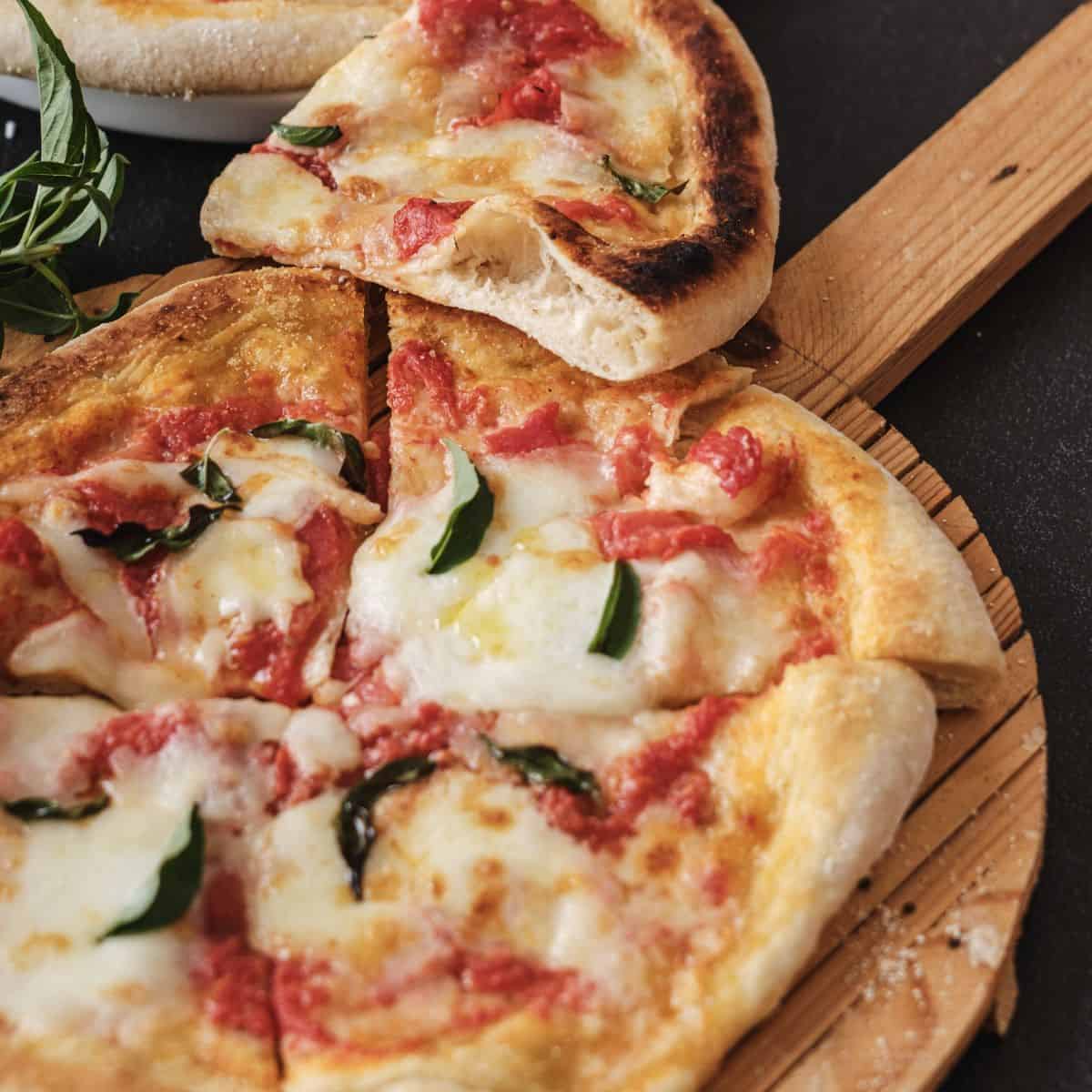
Imagine standing on a bustling, cobblestone street in Naples, the historic heart of pizza. The scent of wood-fired ovens fills the air, and locals queue patiently for a taste of culinary perfection. You snag a table, perhaps at a renowned spot like Gino Sorbillo, and are presented with a pizza so simple, yet so utterly glorious, it changes your perception of food forever. A floppy, colossal disk of pure delight—bubbling fresh mozzarella, bright tomato sauce, fragrant basil, and a perfectly charred, airy crust. This isn't just pizza; it's an experience, a memory etched in time. While replicating that exact Neapolitan magic in a home kitchen with a standard oven might seem like a daunting task, our quest for the homemade margherita pizza that truly captures its essence is finally over.
This guide isn't about claiming you'll never taste a better pizza outside your kitchen, or that you'll suddenly transform your conventional oven into an 800-degree brick behemoth. That would be unrealistic. Instead, this is about empowering you to create the *best possible* homemade margherita pizza using everyday ingredients and equipment, delivering an authentic flavor and texture that will make you feel like you've been transported straight to Italy. We've spent countless hours experimenting, tweaking, and refining techniques to bring you a recipe that stands head and shoulders above the rest.
The Quest for Authentic Homemade Margherita Pizza
Our journey to perfect the homemade margherita pizza began, much like many enthusiasts, with a profound experience in Naples. That first bite of a genuine Neapolitan Margherita, with its simple perfection—the creamy buffalo mozzarella, the sweet San Marzano tomatoes, the peppery fresh basil, all atop a light, airy, and slightly chewy crust—was transformative. It shifted our understanding of what pizza could and should be. It taught us that true excellence lies in the quality and harmony of a few, exceptional ingredients, rather than a multitude of toppings.
Upon returning home, the challenge was clear: how to recreate that authentic Neapolitan flavor and texture without a traditional wood-fired oven? This pursuit led to years of testing. We experimented with different flours, varying dough hydration levels, countless sauce consistencies, and a myriad of baking temperatures and techniques. The goal was always to achieve that spotty, charred crust, the creamy melt of fresh mozzarella, and the vibrant taste of fresh basil and tomato that defined the best pizzas we’d encountered abroad. This intensive process has culminated in a recipe we are genuinely confident in—a recipe for The Best Homemade Margherita Pizza for Your Standard Oven that you'll want to make again and again.
Essential Equipment for Neapolitan-Style Home Pizza
While you don't need a commercial pizza oven, some specific tools can dramatically elevate your homemade margherita pizza game. Investing in the right equipment makes a tangible difference in achieving that coveted crispy crust and perfectly cooked interior.
- Baking Steel or Stone: This is arguably the most crucial piece of equipment. Traditional Neapolitan pizzerias use incredibly hot brick ovens that reach temperatures exceeding 800°F (425°C). While a standard home oven can't match this, a baking steel (or a high-quality baking stone) can mimic some of its key advantages. Baking steels are superior to stones in conductivity and heat retention. They absorb and transfer heat much more efficiently, creating a super-hot surface that rapidly cooks the bottom of your pizza crust, pulling moisture away and resulting in a wonderfully crispy, blistered base. This rapid heat transfer is essential for developing the characteristic "cornicione" (the puffy, airy edge) of a true Neapolitan pizza. While they can be an investment, a good baking steel is 100% worth it if you're serious about making great pizza or bread at home.
- Pizza Peel: A wooden or metal pizza peel is indispensable for transferring your assembled pizza into and out of the screaming hot oven or onto your baking steel. A wooden peel is often preferred for loading raw dough as it's less sticky, while a metal peel can be useful for retrieval. Ensure you lightly flour your peel before placing the dough on it to prevent sticking.
- High-Temperature Oven: While not equipment you purchase, understanding your oven's capabilities is key. You'll want to preheat your oven to its absolute maximum temperature, typically 500-550°F (260-290°C), for at least an hour with the baking steel or stone inside. This ensures the steel is fully heat-saturated, providing that initial burst of intense heat needed for a rapid, even bake.
Crafting the Core Components: Ingredients & Dough Secrets
The beauty of homemade margherita pizza lies in its simplicity. With only a few core ingredients, their quality becomes paramount. There's no hiding behind complex flavors; each component must shine.
The Dough: The Foundation of Flavor
For a truly exceptional homemade margherita pizza, the dough is everything. While traditional Neapolitan dough can involve long fermentation periods and specific flour types (like '00' flour), our recipe focuses on achieving fantastic results with standard, readily available ingredients without requiring days of advanced preparation. The secret lies in a balanced hydration level, proper kneading, and a sufficient, but not overly extended, proofing period.
- Flour: While '00' flour is traditional, a good quality unbleached all-purpose flour or bread flour can yield excellent results in a home oven. The key is finding one with a good protein content for structure.
- Yeast: Active dry or instant yeast will work. Ensure it's fresh for optimal rise.
- Water: Lukewarm water is best to activate the yeast. The exact amount will vary slightly depending on your flour and humidity, but aim for a dough that is soft and pliable, but not overly sticky.
- Salt: Essential for flavor and controlling yeast activity.
- Olive Oil (Optional): A touch of olive oil can add tenderness and flavor to the crust, though purists often omit it in Neapolitan dough. For a home oven, a little oil can be beneficial.
Proper kneading develops the gluten, giving the crust its chewiness and structure. A good rise (proofing) at room temperature allows the yeast to work its magic, creating air pockets that expand in the hot oven, resulting in that desirable airy cornicione. For detailed instructions on mastering the perfect dough and achieving that signature crispy crust and authentic Italian flavor, explore our guide: Master Authentic Margherita Pizza: Crispy Crust, Italian Flavor.
The Sauce: Pure Tomato Essence
Neapolitan pizza sauce is famously simple. It’s not cooked, allowing the fresh, vibrant flavor of the tomatoes to dominate.
- Tomatoes: This is where quality truly matters. Ideally, use canned San Marzano tomatoes, renowned for their sweet, balanced flavor and low acidity. If San Marzano are unavailable, choose another high-quality brand of crushed or whole peeled tomatoes (which you'll crush by hand).
- Seasoning: A pinch of fine sea salt is usually all you need. Resist the urge to add garlic, oregano, or other herbs at this stage; let the tomato shine.
Less is more with the sauce; you want just enough to coat the dough without making it soggy.
The Cheese: Creamy Freshness
Fresh mozzarella is non-negotiable for a true homemade margherita pizza.
- Fresh Mozzarella: Look for fresh mozzarella (fior di latte) packed in water, or even better, fresh buffalo mozzarella for a truly authentic experience. Avoid low-moisture, shredded mozzarella, which won't give you the same creamy, melting texture.
- Preparation: The key here is to reduce moisture. Tear or dice the mozzarella and let it drain on paper towels for at least 30 minutes, or even a few hours, to prevent your pizza from becoming watery.
The Fresh Basil & Olive Oil
- Basil: Fresh basil leaves are essential. Add them *after* the pizza has baked for vibrant color and fragrance, or during the last minute of baking to slightly wilt.
- Olive Oil: A drizzle of high-quality extra virgin olive oil before baking, and sometimes another light drizzle immediately after, adds richness and a beautiful sheen.
The Art of Assembling and Baking Your Homemade Margherita Pizza
Once your dough is proofed and your ingredients prepped, the assembly and baking are quick and exciting. This is where your investment in a baking steel truly pays off.
- Preheat Aggressively: Place your baking steel or stone on the top rack of your oven and preheat to its maximum temperature (500-550°F / 260-290°C) for at least an hour. This step is critical for a crisp crust.
- Prepare Your Dough: Gently stretch your dough ball on a lightly floured surface or a well-floured pizza peel. Resist the urge to use a rolling pin, which can deflate the air bubbles. Aim for a rough circle with a slightly thicker edge for the cornicione.
- Assemble Swiftly: Spread a thin layer of tomato sauce over the dough, leaving the edges bare. Distribute the drained mozzarella pieces evenly. A few fresh basil leaves can be added now, or reserved for after baking. Drizzle lightly with olive oil.
- The Transfer: Carefully slide your pizza onto the preheated baking steel using your pizza peel. This can take a bit of practice. A quick, confident jerk is usually best.
- Bake Hot and Fast: Your homemade margherita pizza will bake incredibly quickly, usually 4-8 minutes, depending on your oven and steel. Watch for the crust to puff up, develop leopard-spot charring, and the cheese to melt and bubble.
- Finish and Serve: Once baked to perfection, retrieve the pizza with your peel. Garnish with fresh basil leaves (if not added earlier), a final drizzle of extra virgin olive oil, and perhaps a sprinkle of flaky sea salt. Let it rest for a minute or two before slicing and serving immediately. The goal is to eat it while it's still "floppy," just like in Naples!
Conclusion
Creating an authentic homemade margherita pizza in your own kitchen is a deeply rewarding experience. While it may not be an exact clone of a Naples pizzeria's creation, this guide provides you with the insights, techniques, and ingredient choices to achieve a pizza that is truly exceptional for a home setting. From the careful selection of fresh ingredients to the strategic use of a baking steel, every step is designed to maximize flavor and texture. So, embrace the simplicity, trust the process, and get ready to enjoy a taste of Italy right from your oven. Your search for the ultimate homemade margherita pizza ends here—prepare to fall in love with pizza all over again.
